Investing in a Roofing Sheet Making Machine for Sustainable Infrastructure Development

Investing in a Roofing Sheet Making Machine for Sustainable Infrastructure Development

0%

Table of Contents

The demand for durable, cost-effective roofing solutions is global, and frankly, it’s only going to increase. We're seeing rapid urbanization, more extreme weather events, and a constant need for faster, more efficient building practices. A roofing sheet making machine is no longer a luxury; it's a necessity for countries aiming for sustainable infrastructure development. From the disaster relief efforts in the Caribbean to large-scale housing projects in Southeast Asia, the ability to quickly produce high-quality roofing sheets on-site, or close to it, is a game-changer. The UN estimates over a billion people lack adequate housing, and roofing is a critical component of that.        

       What I’ve learned from years spent on construction sites is that delays cost money—big money. Traditional roofing material supply chains are often slow and unpredictable, especially in remote locations. Shipping costs, tariffs, and logistical bottlenecks can add significant expenses.  A robust roofing sheet making machine allows builders and governments to circumvent these problems, controlling their production and ensuring a steady supply of materials. It’s about resilience, self-sufficiency, and ultimately, providing safe, reliable shelter to those who need it most.        

       It's not just about humanitarian aid either.  The growing pre-engineered building (PEB) sector, and the increasing demand for metal roofing in commercial and industrial construction, are driving substantial investment in this technology.  We’re talking about significant economic growth potential for manufacturers and operators, coupled with a tangible benefit to the construction industry as a whole.
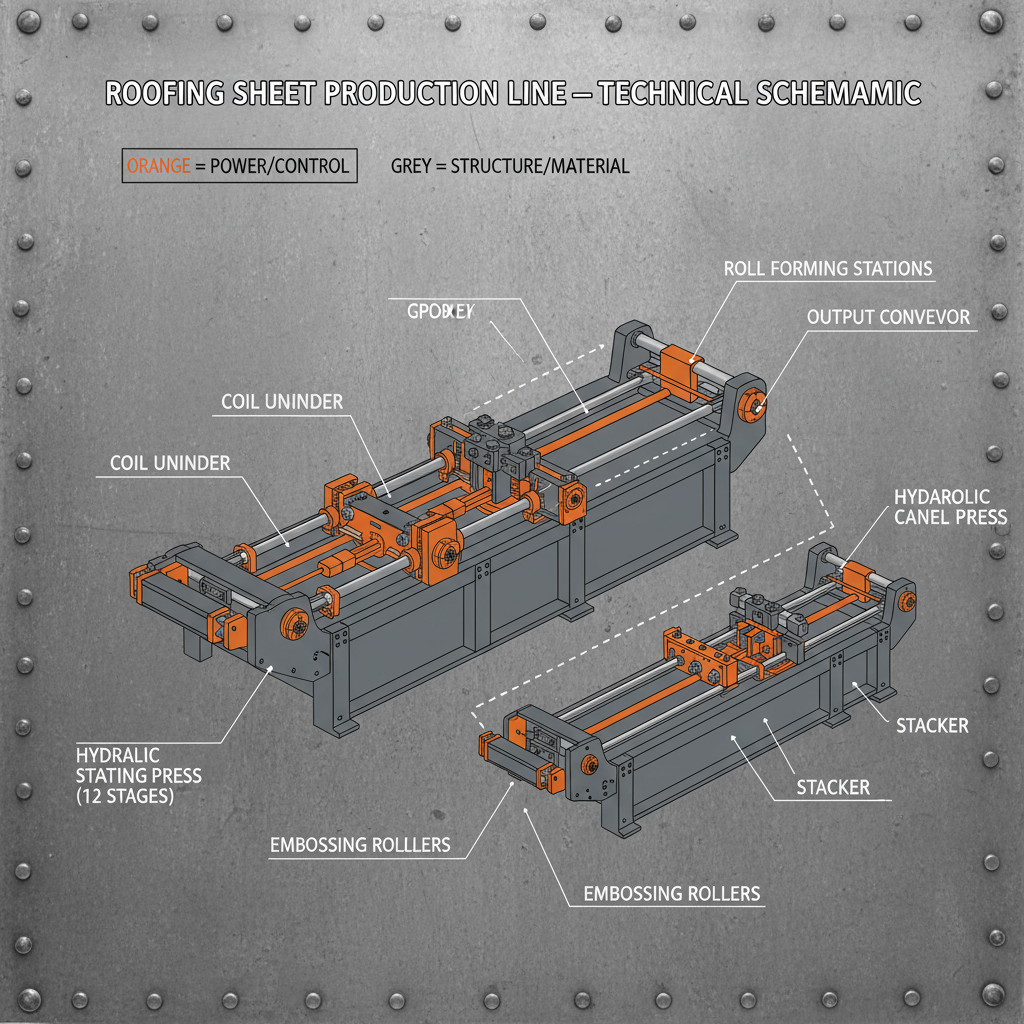
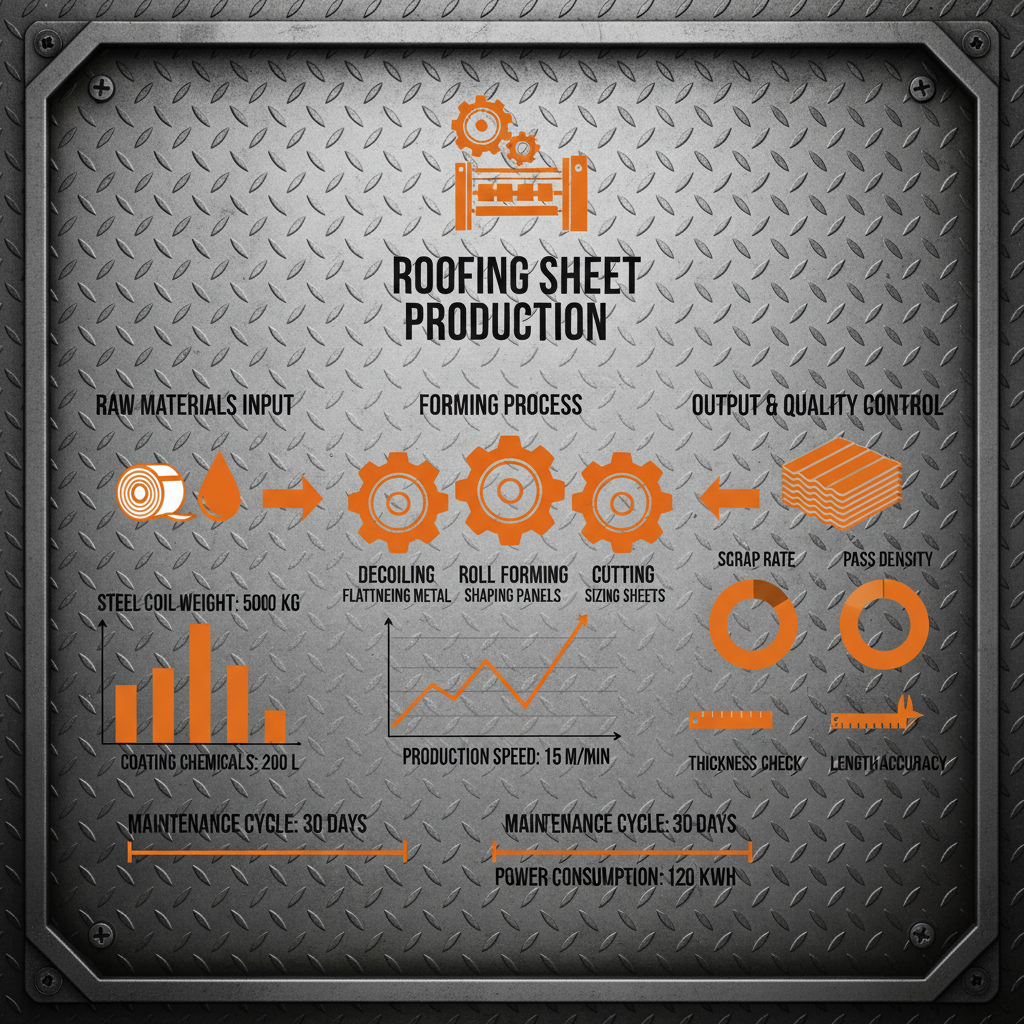
roofing sheet making machine    
Table of Contents [Hide]        

The Global Significance of roofing sheet making machine

roofing sheet making machine            

The need for rapid and affordable shelter is a constant worldwide. A roofing sheet making machine isn’t just about building structures; it’s about providing safety, dignity, and a foundation for communities to rebuild after disasters or grow sustainably. Consider the sheer volume of housing needed in rapidly developing nations.  Traditional building materials often fall short, and the logistical challenges of delivering them are immense.            

           From a purely economic standpoint, the ability to manufacture roofing materials locally creates jobs, stimulates economic activity, and reduces reliance on imports. This is particularly vital for countries with limited infrastructure or challenging geographical conditions.  I've seen firsthand how these machines empower local entrepreneurs and contribute to economic self-reliance.

Defining the Technology

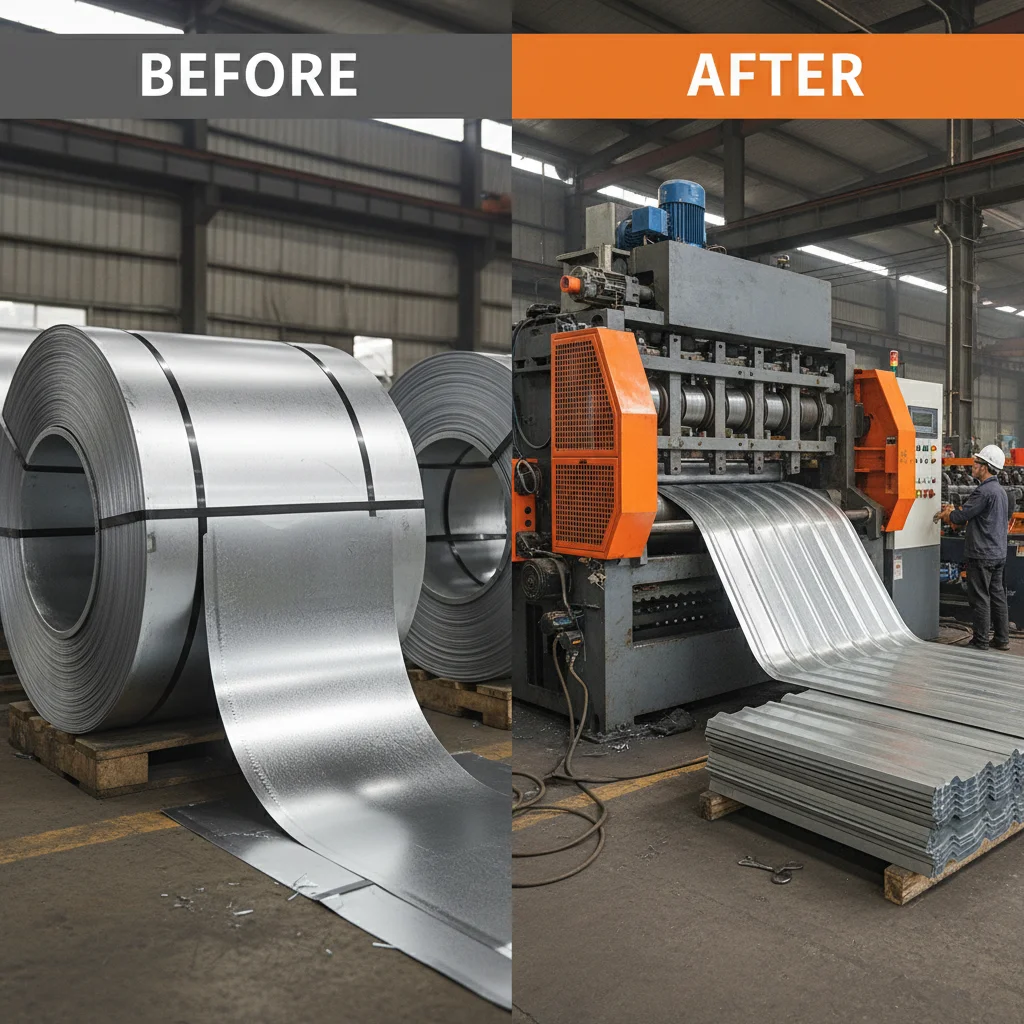
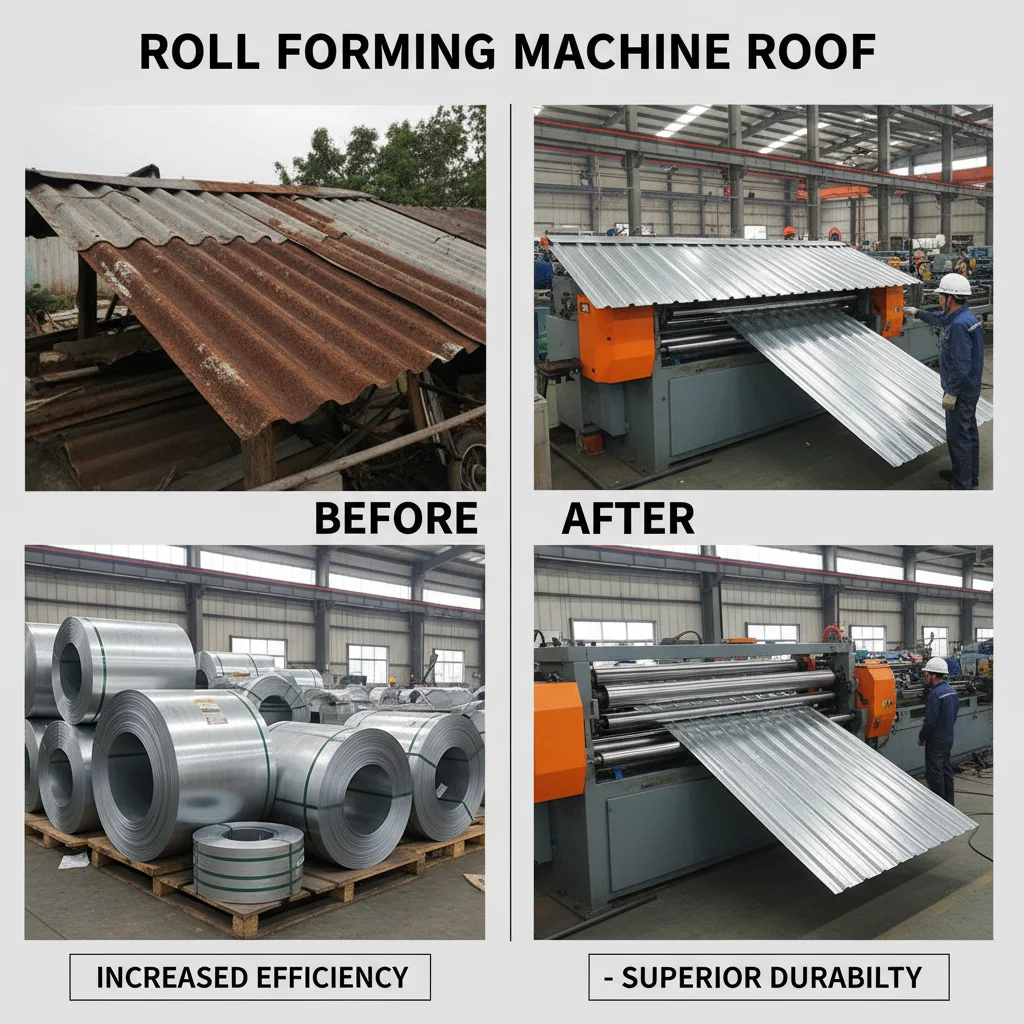
At its core, a roofing sheet making machine takes raw metal coils—typically galvanized steel or aluminum—and transforms them into corrugated or profiled roofing sheets. This is achieved through a continuous roll forming process, where the metal is passed through a series of rollers, each shaping it incrementally until the desired profile is achieved. It’s a remarkably efficient process that minimizes waste and maximizes production speed.        

       These aren’t your grandfather’s machines anymore. Modern systems are highly automated, incorporating sophisticated control systems, precision sensors, and quality control mechanisms.  They can be configured to produce a wide variety of profiles, thicknesses, and coatings, catering to diverse architectural and functional requirements.        

       The connection to modern industry and humanitarian needs is clear. It bridges the gap between raw material availability and the urgent demand for durable, weather-resistant roofing solutions, applicable in everything from residential construction to large-scale infrastructure projects.

Core Components and Operational Factors

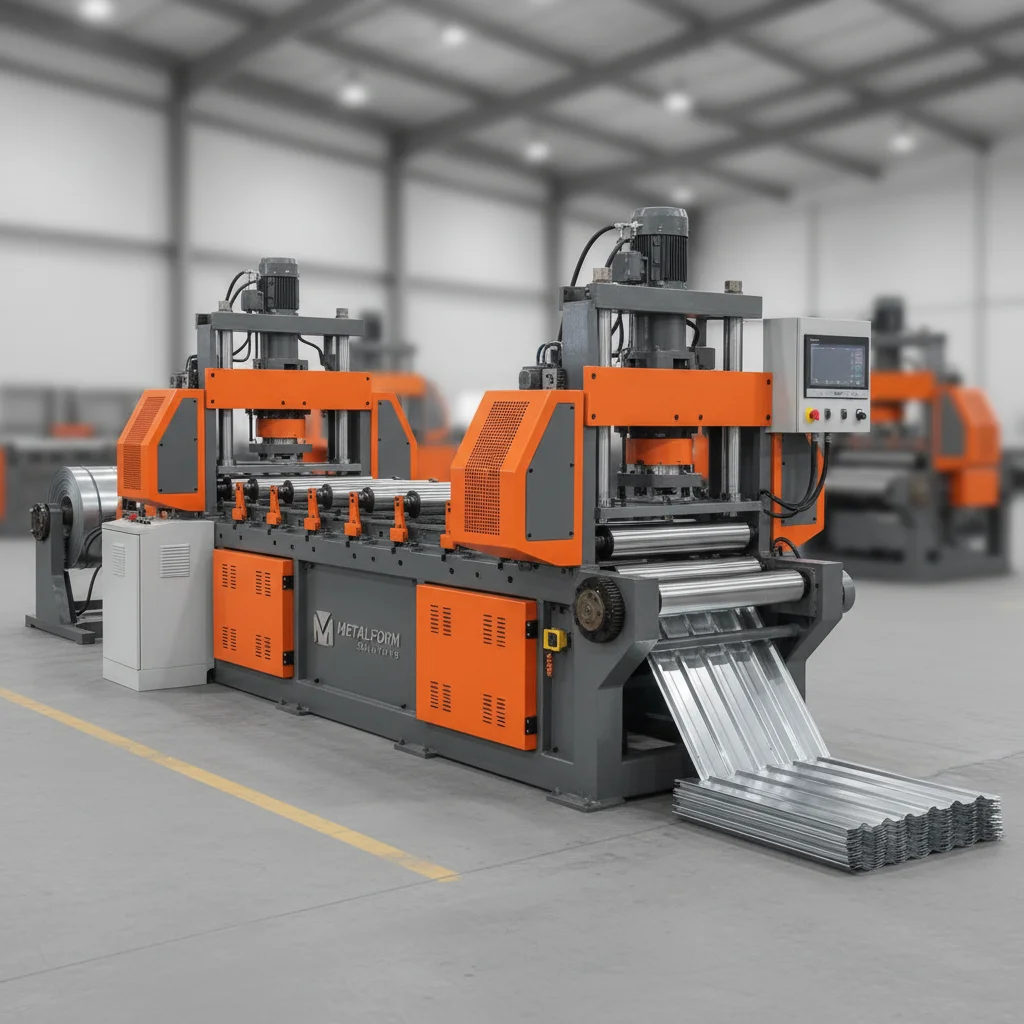
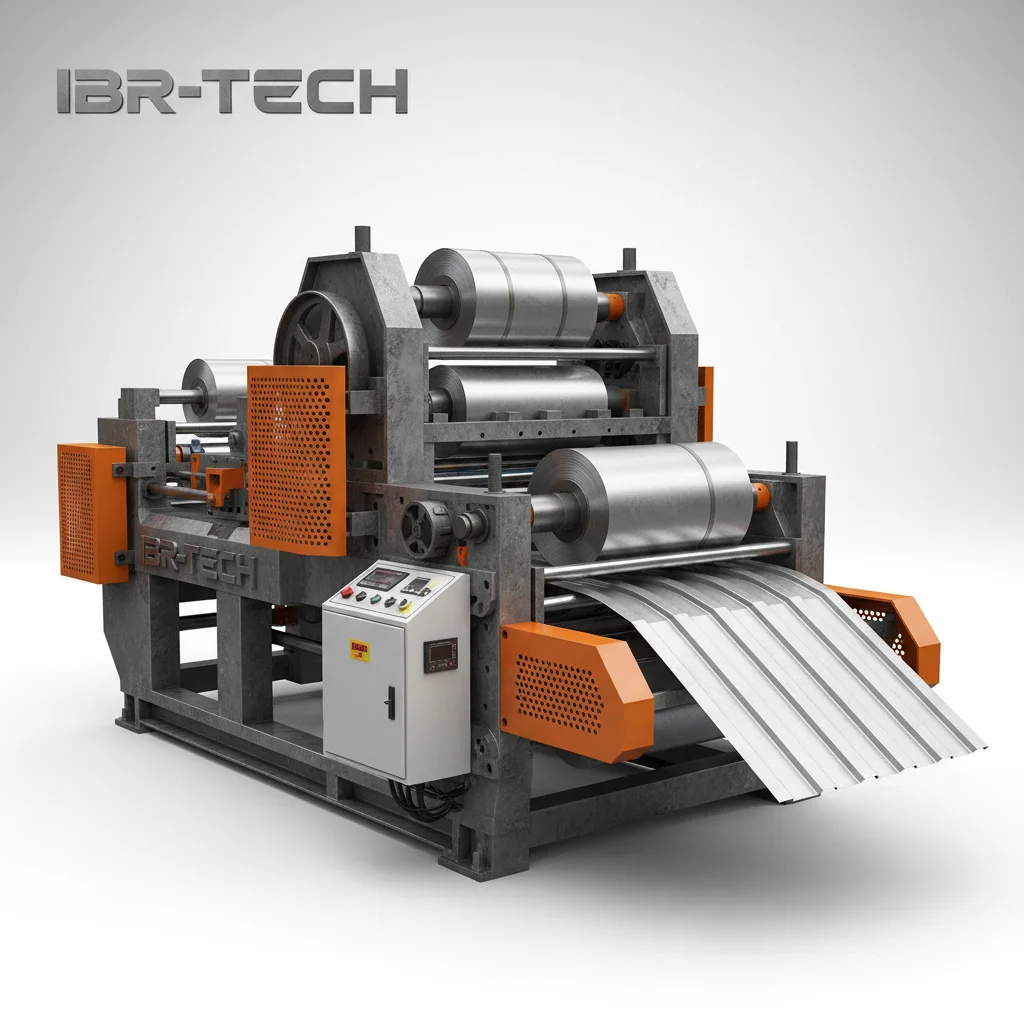
Several key factors determine the efficiency and output of a roofing sheet making machine. The uncoiler, for example, is crucial for feeding the metal coil smoothly and consistently into the roll forming section.  A good uncoiler prevents uneven feeding, which can lead to defects in the finished product.

The roll forming section itself is the heart of the machine. The quality and precision of the rollers directly impact the accuracy and consistency of the roofing sheet profile.  Regular maintenance and precise alignment are critical.  I’ve seen machines sidelined for days because of improperly maintained rollers – a costly mistake.  The cutting system, whether it’s a shear or a saw, is also vital for producing clean, accurate cuts.

Finally, the control system, often PLC-based, manages the entire process, synchronizing all the components and allowing for precise adjustments to parameters like speed, length, and profile.  Operator training and a well-defined operating procedure are essential for maximizing output and minimizing downtime.

Diverse Applications Across Industries

These machines aren’t limited to just residential roofing. We’re seeing increasing use in agricultural buildings, warehouses, industrial facilities, and even temporary shelters.  In post-disaster relief operations, a mobile roofing sheet making machine can be deployed to produce roofing materials on-site, providing immediate shelter for affected populations.        

       In remote industrial zones, where transportation costs are prohibitive, on-site production can significantly reduce building costs and timelines.  Mining operations, for example, often utilize these machines to construct temporary or permanent structures for housing and equipment storage.  The versatility is a huge advantage.

roofing sheet making machine Application Distribution

Advantages and Long-Term Value Proposition

The cost savings are substantial. Reduced transportation expenses, minimized material waste, and lower labor costs all contribute to a significant return on investment. But it’s more than just about money.  A local production capability enhances supply chain resilience, safeguarding against disruptions caused by geopolitical events or natural disasters.        

       From a sustainability perspective, the ability to use locally sourced materials and reduce transportation emissions is a major benefit. And let's not forget the social impact – providing local jobs and empowering communities. It's about building a more resilient and sustainable future.

Emerging Trends and Innovations

We’re seeing a move towards more energy-efficient roofing materials, and roofing sheet making machine manufacturers are responding by developing machines that can produce panels with integrated solar cells or specialized coatings for improved thermal performance. Digitalization is also playing a key role, with remote monitoring and predictive maintenance systems becoming increasingly common.        

       Automation is another major trend, with manufacturers striving to increase production speed and reduce labor costs through the implementation of robotic systems and advanced control algorithms.  The integration of AI-powered quality control systems is also on the horizon, promising to further enhance product consistency and reduce waste.

Common Challenges and Practical Solutions

One of the biggest challenges is maintaining consistent material quality. Variations in the raw metal coil can lead to defects in the finished product. Implementing rigorous quality control procedures and sourcing materials from reputable suppliers are essential.  Operator training is also crucial; a skilled operator can identify and address minor issues before they escalate into major problems.        

       Downtime due to maintenance can also be a concern.  Developing a proactive maintenance schedule and stocking spare parts are vital for minimizing disruptions.  Remote diagnostics and support services are becoming increasingly valuable, allowing manufacturers to troubleshoot issues quickly and efficiently.        

       Finally, adapting to changing market demands and regulatory requirements is an ongoing challenge.  Staying informed about new technologies and industry standards is essential for maintaining competitiveness.

Summary of Common Challenges and Solutions for roofing sheet making machine

ChallengeImpact AreaSeverity (1-10)Potential Solution
Raw Material QualityProduct Consistency8Rigorous Supplier Qualification
Machine DowntimeProduction Output7Proactive Maintenance Schedule
Operator Skill LevelOperational Efficiency6Comprehensive Training Program
Changing RegulationsCompliance & Market Access5Continuous Monitoring of Industry Standards
Material WasteProduction Costs4Optimization of Cutting Algorithms
Supply Chain DisruptionsProduction Continuity9Diversification of Material Sources

FAQS

What are the typical power requirements for a roofing sheet making machine?            

Power requirements vary significantly depending on the machine’s size, capacity, and level of automation.  Smaller, manual machines might operate on a single-phase 220V supply, while larger, fully automated systems could require three-phase 480V or even higher voltage.  It’s critical to accurately assess your facility’s electrical capacity and ensure it can handle the machine’s load, including inrush current.  Incorrect power supply can lead to equipment damage and safety hazards. Always consult the manufacturer's specifications for precise requirements.

What is the average lifespan of a roofing sheet making machine?            

With proper maintenance and regular servicing, a well-built roofing sheet making machine can easily last 15-20 years, or even longer.  The lifespan depends heavily on the quality of the components, the frequency of use, and the operating environment.  Regular lubrication, alignment checks, and replacement of worn parts are essential. Investing in a machine from a reputable manufacturer with a proven track record of reliability is also a crucial factor.

What type of operator training is required for a roofing sheet making machine?            

Comprehensive training is vital for safe and efficient operation.  Operators need to understand the machine's components, operating procedures, safety protocols, and basic maintenance tasks.  Training should cover topics such as material handling, roll forming principles, cutting system operation, quality control procedures, and troubleshooting common issues.  Experienced technicians from the manufacturer typically provide initial training, and ongoing training should be provided to ensure operators stay up-to-date with best practices.

What are the common types of roofing sheet profiles that can be produced?            

A roofing sheet making machine can produce a wide variety of profiles, including corrugated sheets, trapezoidal sheets, tile-profile sheets, and standing seam sheets. The choice of profile depends on the application, aesthetic preferences, and local building codes. Different profiles offer varying levels of strength, weather resistance, and insulation properties.  Many machines are designed to be versatile, allowing for quick changeovers between different profiles.

What is the typical production speed of a roofing sheet making machine?            

Production speed varies depending on the machine’s size, automation level, and the thickness and type of metal being processed.  A typical machine can produce anywhere from 5 to 30 meters of roofing sheet per minute. Higher-end, fully automated machines can achieve even faster speeds.  Optimizing the machine’s settings and ensuring a smooth material flow are key to maximizing production output.

What are the maintenance requirements for a roofing sheet making machine?            

Regular maintenance is crucial for ensuring the machine’s long-term reliability and performance. This includes daily lubrication of moving parts, weekly inspection of rollers and cutting blades, and monthly alignment checks.  Annual preventative maintenance, performed by qualified technicians, is also recommended.  Keeping the machine clean and free of debris is essential for preventing breakdowns.

Conclusion

A roofing sheet making machine represents a powerful solution to the global challenge of providing safe, affordable, and sustainable shelter. Its versatility, cost-effectiveness, and ability to empower local economies make it a vital tool for builders, governments, and humanitarian organizations alike. From disaster relief to large-scale infrastructure projects, the impact of this technology is far-reaching.        

       Investing in a quality machine, coupled with proper operator training and a proactive maintenance program, is a smart long-term investment.  As the demand for roofing solutions continues to grow, and as technology continues to advance, the role of the roofing sheet making machine will only become more important.  Visit our website at www.hyrollformingmachine.com to learn more and discover how we can help you meet your roofing needs.

Ethan Bellwether

Ethan Bellwether

Ethan Bellwether is a seasoned Mechanical Engineer at Botou Huayang, with over 15 years of experience in roll forming technology. He specializes in the design and customization of metal roof roll forming machines and highway guardrail roll forming machines. Ethan's deep understanding of material science and manufacturing processes ensures our
Next Advancements in Metal Roofing Machine Technology for Durable Construction