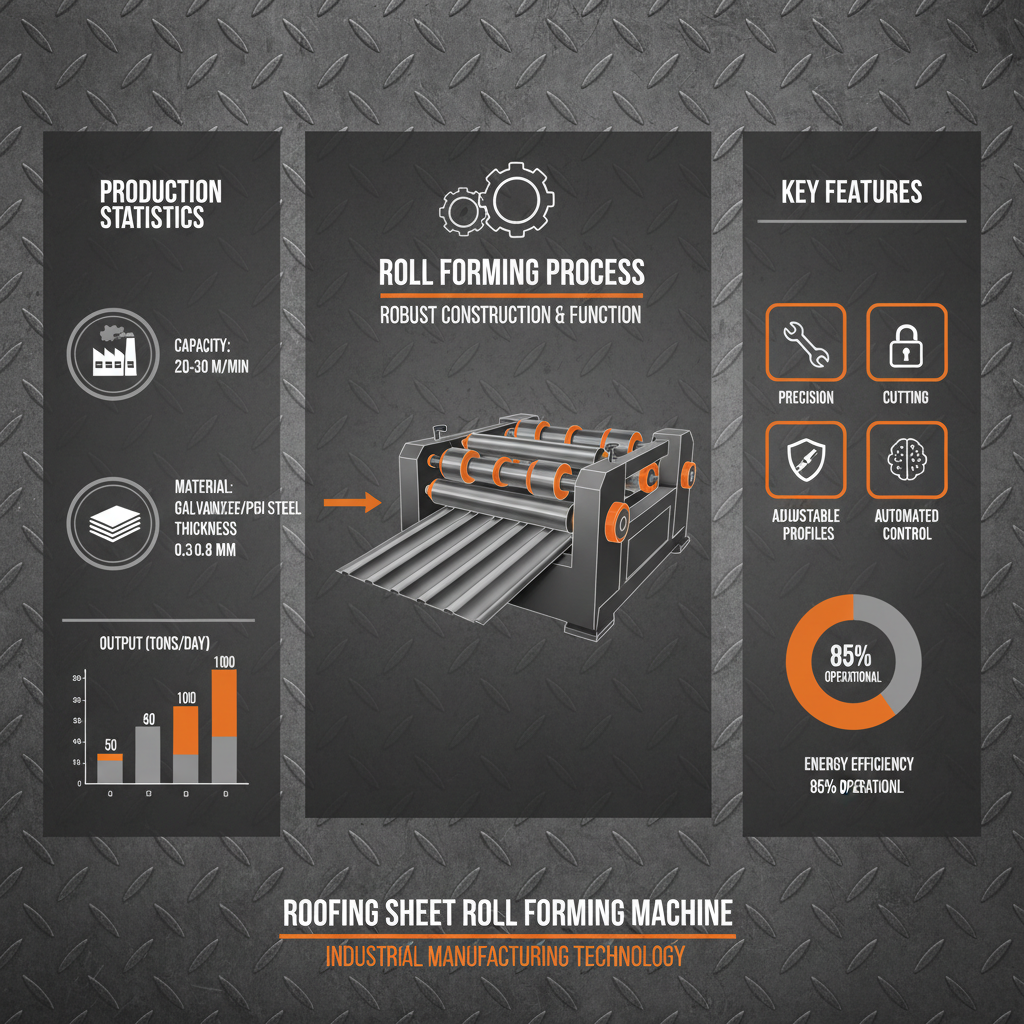
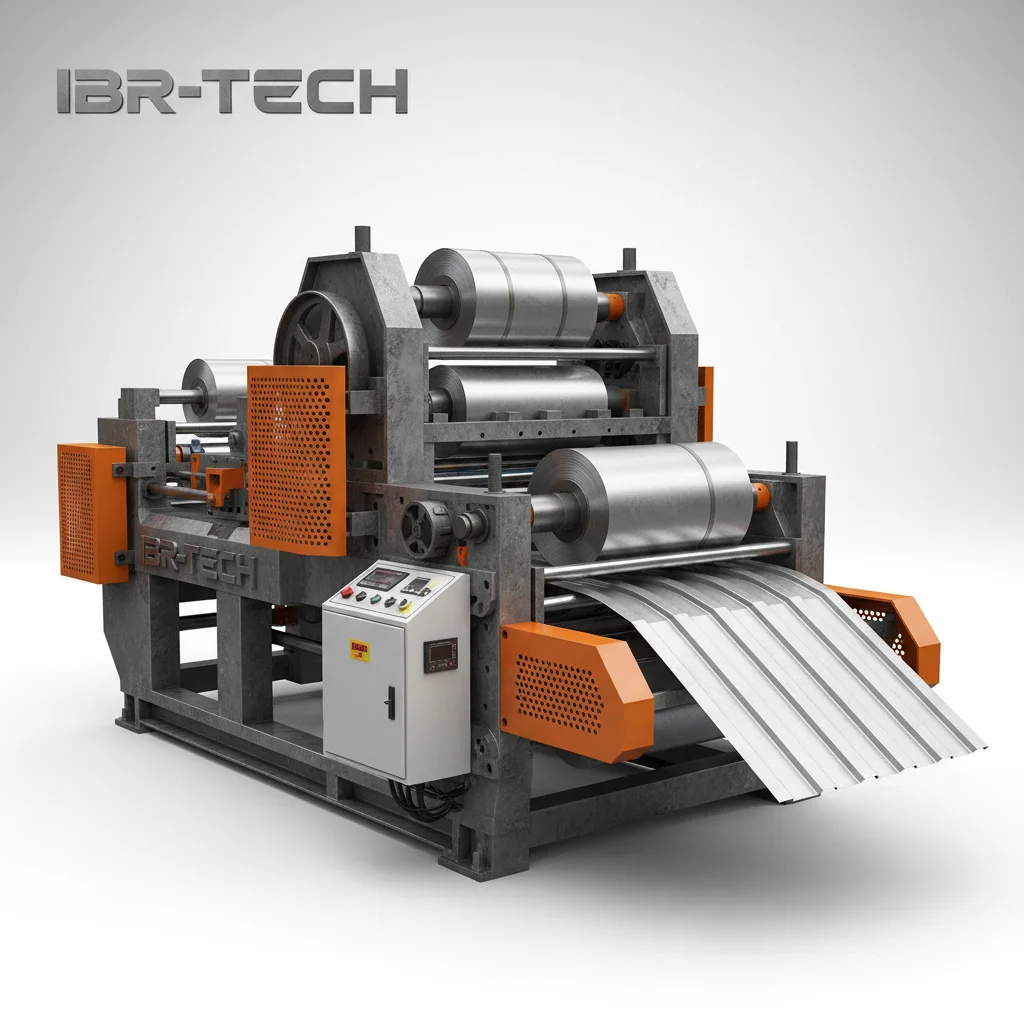
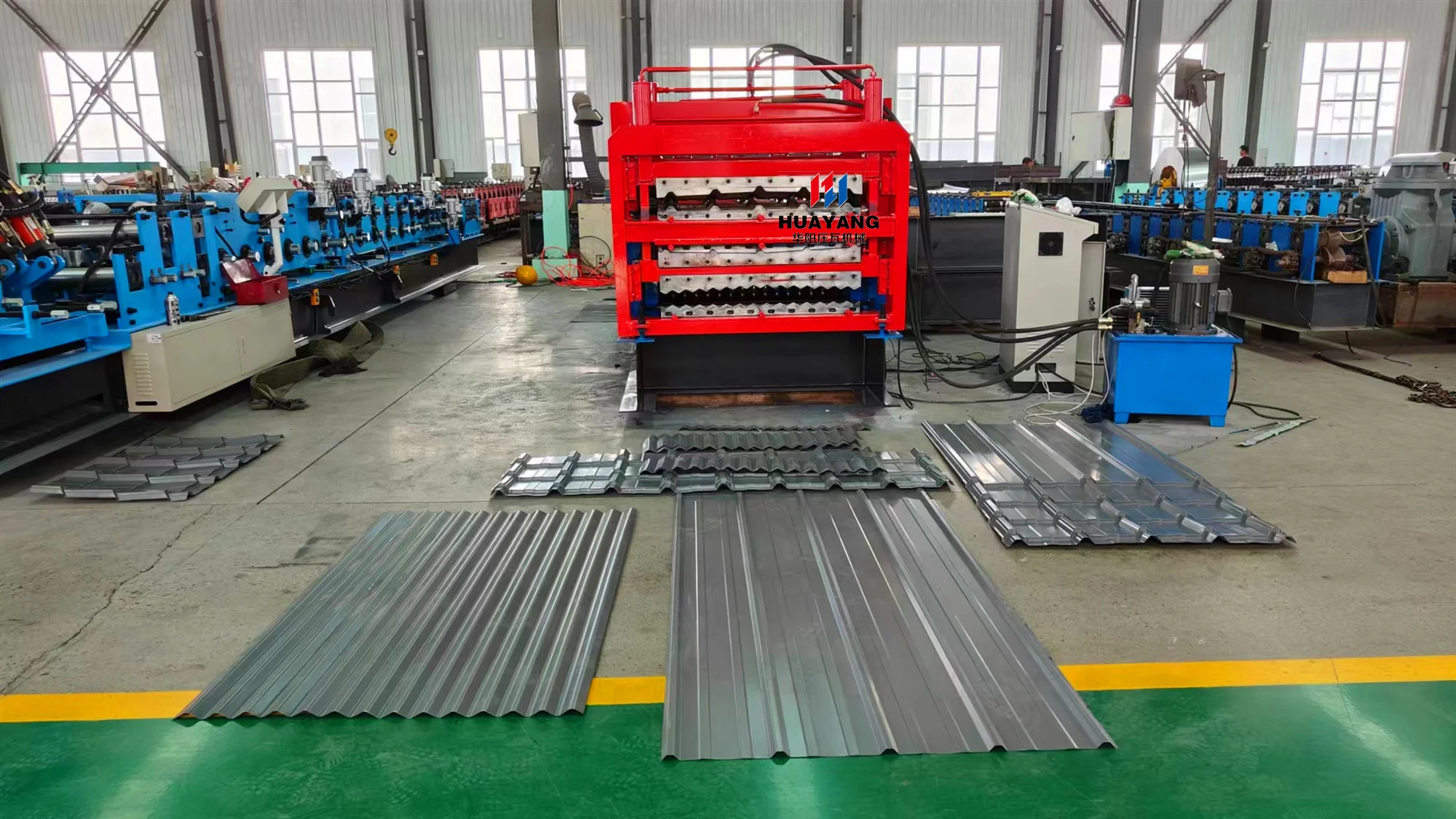
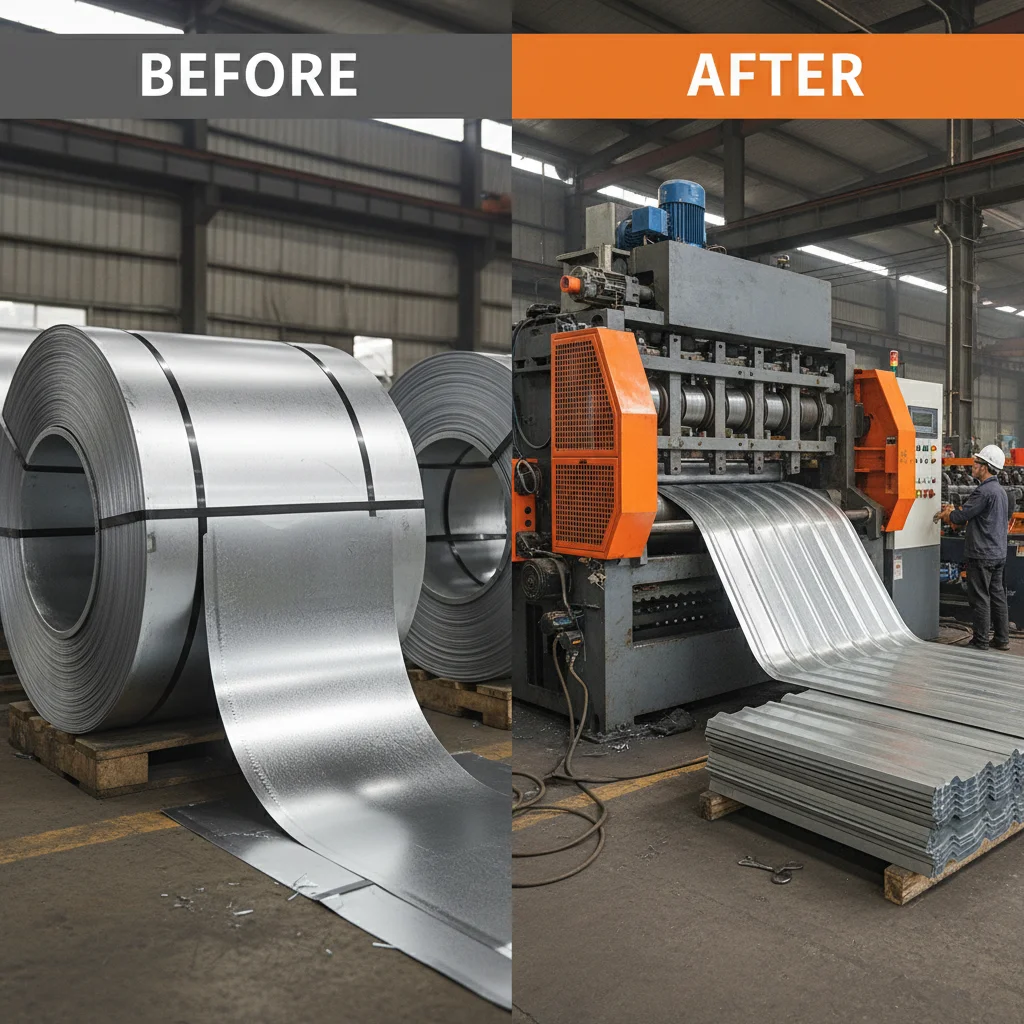
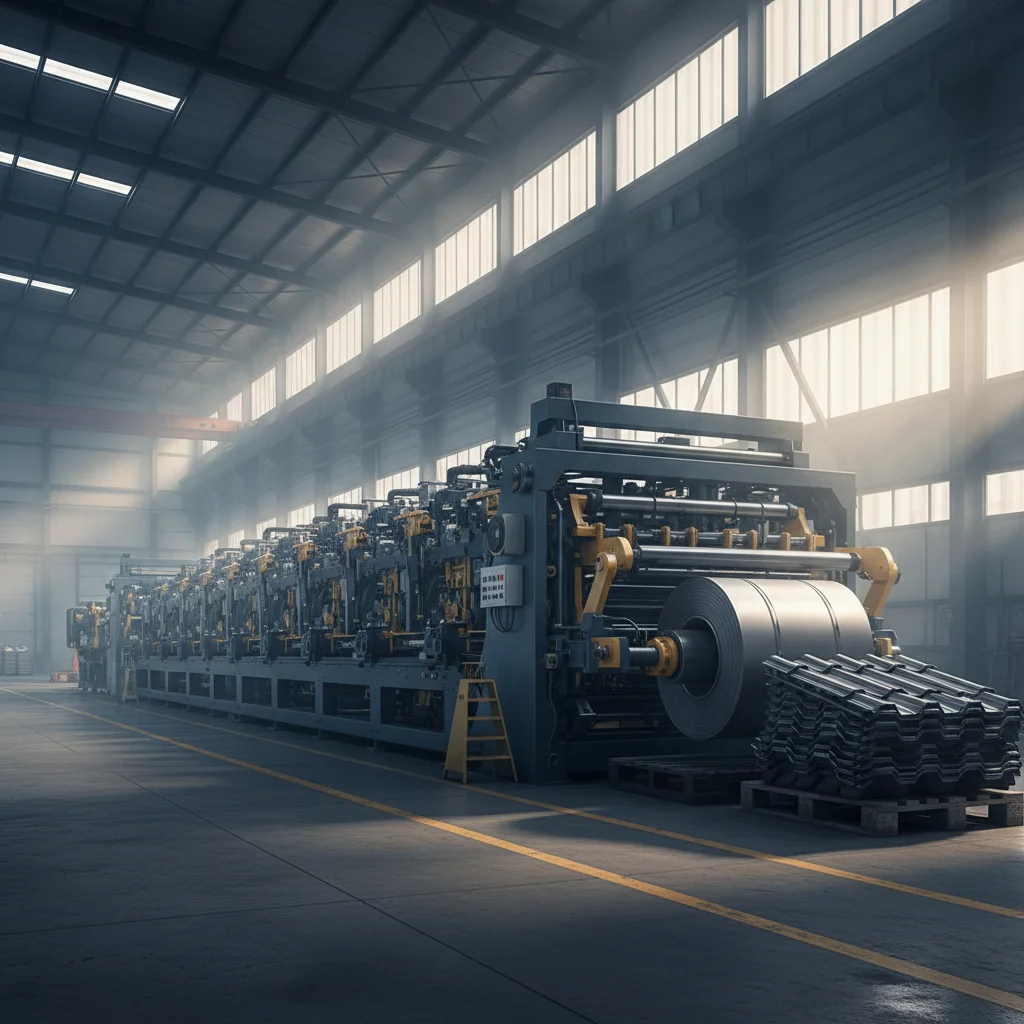
The global construction landscape has undergone a significant transformation with the adoption of high-precision metal forming technologies. At the heart of this evolution is the roofing sheet roll forming machine, a critical piece of industrial equipment that converts flat metal coils into structurally sound, profiled roofing panels. By automating the bending process, these machines ensure that every sheet produced meets rigorous architectural standards for weatherproofing and durability.
Understanding the mechanics and strategic implementation of a roofing sheet roll forming machine is essential for manufacturers aiming to scale their production while reducing material waste. As urban expansion accelerates across Asia and Africa, the demand for rapid-deployment roofing solutions has surged, making the efficiency of roll forming a key competitive advantage in the building materials sector.
Beyond mere production speed, the modern roofing sheet roll forming machine integrates advanced PLC controls and high-grade alloy rollers to provide unmatched precision. This ensures that the final product not only protects buildings from the elements but also contributes to the overall aesthetic and structural integrity of residential, commercial, and industrial projects worldwide.
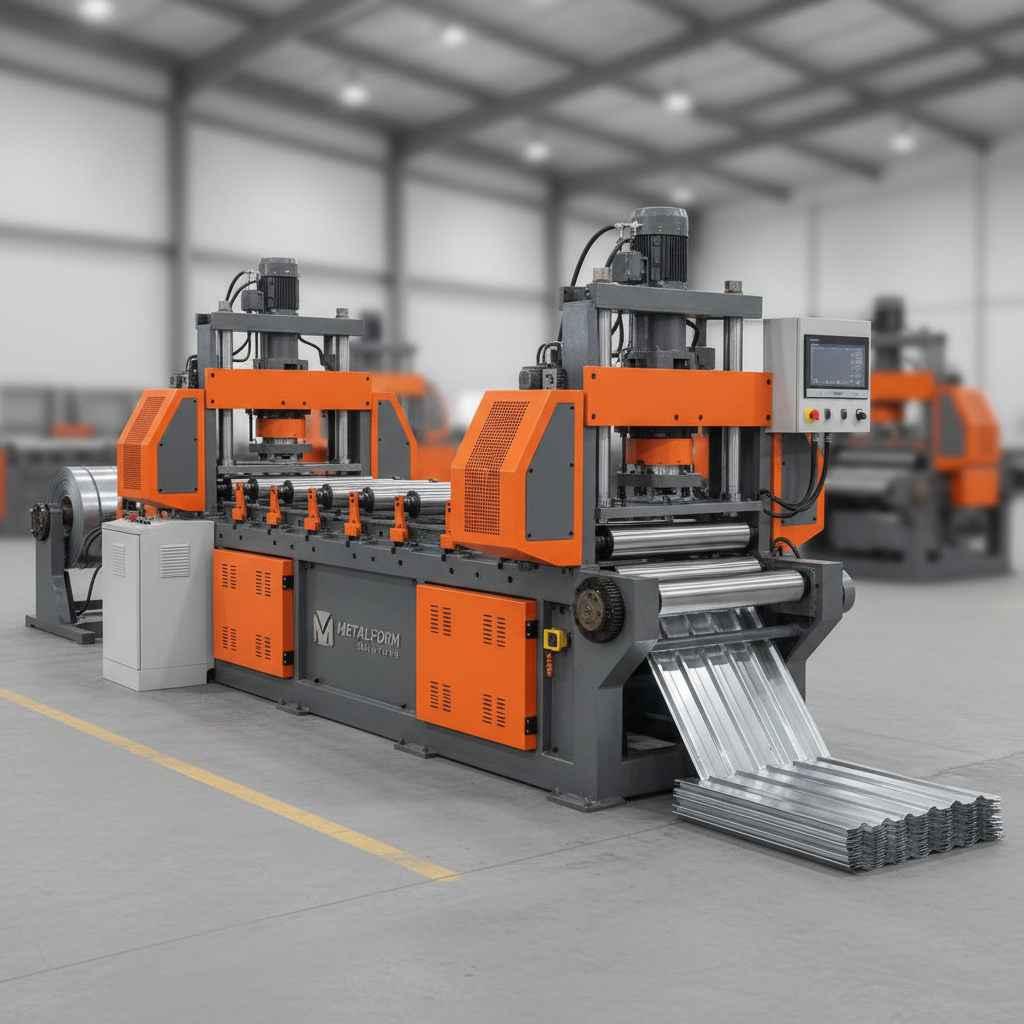
Global Relevance of Roofing Sheet Roll Forming Machine
On a global scale, the demand for sustainable and rapid infrastructure development has pushed the roofing sheet roll forming machine to the forefront of the manufacturing industry. With urbanization rates increasing, particularly in emerging markets, the ability to produce standardized, high-strength roofing materials in bulk is no longer a luxury but a necessity. Data from industrial ISO standards emphasize the shift toward prefabricated components to reduce on-site labor and construction timelines.
The primary challenge addressed by these machines is the inconsistency of traditional manual bending methods. By implementing a continuous roll forming process, manufacturers can eliminate human error, ensuring that every corrugated or trapezoidal profile is identical. This consistency is vital for large-scale projects where a single misalignment can lead to water leakage or structural failure, thereby safeguarding the investment of developers and homeowners alike.
Defining the Roofing Sheet Roll Forming Machine
In simple technical terms, a roofing sheet roll forming machine is a specialized assembly of rollers that progressively bends a continuous strip of metal—usually galvanized steel or aluminum—into a specific cross-sectional profile. Unlike press braking, which forms the metal in a single hit, roll forming achieves the shape through a series of smaller, incremental bends, which prevents the material from stretching or weakening.
This process is intrinsically linked to the modern need for "lean manufacturing." By integrating decoilers, forming stations, and automated cutting systems, the machine transforms a raw coil into a finished product with minimal waste. This efficiency is crucial for humanitarian needs, such as the rapid construction of shelters in disaster-stricken areas or the building of affordable housing in developing regions.
Furthermore, the versatility of the roofing sheet roll forming machine allows it to handle various materials, from prepainted color-coated steel to high-corrosion-resistant alloys. This adaptability makes it an indispensable tool for architects and engineers who require specific profiles to manage water runoff or provide additional structural rigidity for industrial warehouses.
Core Components for Maximum Efficiency
The operational excellence of a roofing sheet roll forming machine depends heavily on the precision of its forming rollers. These rollers, typically crafted from Cr12 or high-carbon steel and heat-treated for hardness, are the primary touchpoints that shape the metal. High-quality rollers ensure that the profile dimensions remain constant even after thousands of meters of production.
Equally important is the integration of the PLC (Programmable Logic Controller) system. A modern roofing sheet roll forming machine utilizes a PLC to synchronize the speed of the forming rollers with the hydraulic cutting system. This allows the operator to set precise lengths for each sheet, reducing scrap material and increasing the overall throughput of the plant.
Finally, the structural chassis of the machine provides the necessary stability to prevent vibration during high-speed operation. A heavy-duty frame ensures that the alignment of the rollers remains perfect, preventing "crown" or "twist" in the finished roofing sheets. When these components—rollers, PLC, and chassis—work in harmony, the machine achieves a level of scalability that enables a small workshop to compete with large-scale industrial factories.
Practical Applications and Global Use Cases
The application of the roofing sheet roll forming machine extends far beyond simple residential roofs. In industrial zones, these machines produce heavy-duty cladding and roofing for aircraft hangars and logistics centers, where wide-span coverage and high load-bearing capacity are required. The ability to produce custom lengths on-site also minimizes transportation costs and prevents damage to the sheets during transit.
In remote regions or post-disaster relief operations, mobile roll forming units have proven invaluable. These compact versions of the roofing sheet roll forming machine can be transported to the site of a crisis, allowing NGOs and government agencies to produce weather-resistant roofing for temporary shelters instantly. This local production capability ensures that displaced populations have dignified and safe housing without waiting for international shipping logistics.
Performance Comparison of Roofing Sheet Roll Forming Machine Types
Long-Term Value and Sustainability Benefits
Investing in a high-quality roofing sheet roll forming machine yields significant long-term financial and environmental dividends. By utilizing cold-roll forming, the material's strength is preserved, and waste is virtually eliminated since sheets are cut to the exact required length. This reduction in scrap metal directly lowers production costs and aligns with global sustainability goals to reduce industrial waste.
From a social perspective, the reliability of these machines fosters trust in the construction supply chain. When a contractor knows that the roofing sheets are produced by a precision-engineered machine, they can guarantee the safety and longevity of the building. This reliability creates a cycle of innovation, where manufacturers can experiment with thinner but stronger high-tensile steels, further reducing the carbon footprint of the building process.
Future Innovations in Roll Forming Technology
The future of the roofing sheet roll forming machine is being shaped by the Fourth Industrial Revolution (Industry 4.0). We are seeing a shift toward "Smart Forming," where IoT sensors are embedded within the rollers to monitor wear and tear in real-time. This predictive maintenance allows factories to replace rollers before they cause defects, ensuring zero-defect production and maximizing uptime.
Furthermore, the integration of AI-driven optimization is enabling machines to automatically adjust their pressure and speed based on the thickness and grade of the incoming metal coil. This means a single machine can transition between different material gauges without manual recalibration, drastically increasing flexibility for manufacturers who serve a diverse clientele.
Sustainability is also driving the adoption of energy-efficient servo-motors. Unlike traditional hydraulic systems that consume vast amounts of electricity and require frequent oil changes, servo-driven roofing sheet roll forming machines offer precise movement with minimal energy loss. This transition not only lowers operating costs but also makes the manufacturing process "greener."
Overcoming Common Industrial Challenges
One of the most persistent challenges in the industry is "spring-back," where the metal attempts to return to its original flat shape after being formed. Experienced manufacturers overcome this by implementing "over-bending" techniques within the roofing sheet roll forming machine design. By calculating the elastic limit of the material, the rollers are designed to bend the metal slightly beyond the target angle, resulting in a perfect final profile.
Another common issue is surface scratching, especially when working with prepainted coils. To solve this, premium machines now incorporate specialized nylon or polymer-coated rollers in the final stages of forming. This ensures that the aesthetic finish of the roofing sheet remains pristine, eliminating the need for costly touch-ups or the rejection of finished panels.
Lastly, the complexity of setup for new profiles can be a bottleneck. The solution lies in the adoption of modular roller cassettes. Instead of dismantling the entire machine, operators can quickly swap out specific roller sets to change the profile of the roofing sheet, allowing a single production line to serve multiple product categories with minimal downtime.
Comparative Analysis of Roll Forming Material Performance
|
Material Type
|
Formability Score (1-10)
|
Corrosion Resistance
|
Typical Application
|
| Galvanized Steel |
9 |
Medium |
Industrial Sheds |
| Aluzinc Steel |
8 |
High |
Coastal Roofing |
| Aluminum Alloy |
10 |
Very High |
Modern Architecture |
| Prepainted Steel |
7 |
Medium-High |
Residential Homes |
| Stainless Steel |
6 |
Extreme |
Chemical Plants |
| High-Tensile Steel |
5 |
Medium |
Heavy Load Roofs |
FAQS
While a press brake bends metal in a single, powerful stroke, a roofing sheet roll forming machine uses a series of rollers to shape the metal incrementally. This continuous process prevents material stress and allows for the production of extremely long sheets with consistent profiles, making it far more efficient for mass production of roofing panels.
Standard machines are typically designed for one specific profile. However, advanced models feature modular roller cassettes that can be swapped out. To change the profile entirely, the set of forming rollers must be replaced, but the overall machine frame, motor, and control system remain the same.
The most common materials are galvanized steel, Galvalume (Aluzinc), and prepainted color-coated steel. Aluminum is also widely used due to its corrosion resistance. The machine's roller hardness and pressure settings are typically adjusted based on the tensile strength of the chosen material to ensure a perfect bend.
Regular lubrication of the drive chains and bearings is critical. Additionally, periodic inspection of the forming rollers for wear and tear prevents profile deviations. Keeping the machine in a clean environment and following the PLC software update schedule will ensure maximum operational lifespan and precision.
While manual systems exist, a PLC system is highly recommended even for small shops. It automates the cutting length and synchronizes the feed speed, which drastically reduces material waste and labor costs. In the long run, the precision offered by a PLC system pays for itself through higher product quality.
To prevent surface damage, ensure that all rollers are perfectly aligned and free of debris. Many high-end machines use specialized coatings on the rollers or incorporate protective films on the coils. Regularly checking the entry guides also prevents the metal from rubbing against the machine frame.
Conclusion
The roofing sheet roll forming machine stands as a cornerstone of modern industrial construction, bridging the gap between raw material efficiency and architectural precision. By integrating high-grade metallurgy, PLC automation, and sustainable manufacturing practices, these machines enable the rapid deployment of durable roofing solutions that are essential for global urbanization and disaster recovery.
Looking forward, the transition toward AI-driven "Smart Forming" and energy-efficient servo technology will further redefine the industry. For manufacturers and developers, investing in high-precision roll forming technology is not just an operational upgrade, but a strategic move toward a more sustainable, reliable, and scalable future in the building materials sector. Visit our website for more professional solutions: www.hyrollformingmachine.com