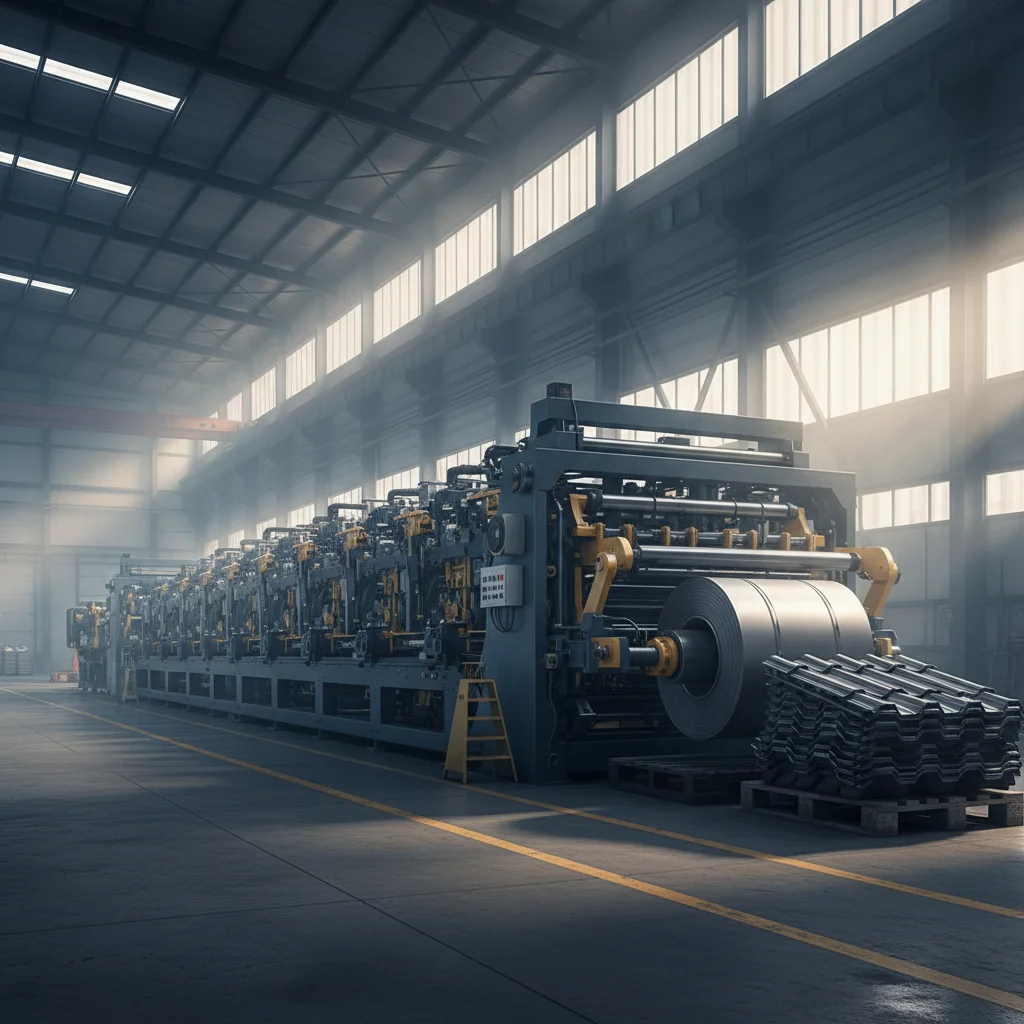
Look, I’ve spent the last fifteen years on construction sites, getting my hands dirty, and frankly, seeing a lot of wasted time and money. When it comes to roofing, speed and reliability are everything. A project held up by roofing is a project losing money. That’s where a roll forming machine roof solution really shines. It's not just about putting a roof over heads, it’s about doing it efficiently, safely, and with materials that are going to last. I've seen trends come and go, but consistent, quality roofing continues to be the cornerstone of any successful build.
You see a lot of talk about innovation, but what really matters is practicality. A roll forming machine roof isn’t some fancy, futuristic concept. It’s a proven method that’s been refined over decades. What’s changed is the technology behind it, making the process faster, more precise, and adaptable to a wider range of designs. From simple agricultural buildings to complex commercial structures, the flexibility is a huge advantage.
I’m not a salesman, I’m a problem solver. And too often, roofing is a major source of problems. Delays due to weather, skilled labor shortages, and material costs all add up. A roll forming machine addresses these issues head-on. It allows for on-site fabrication, reducing transport costs and lead times, and minimizes waste. That’s something I can get behind – a solution that directly impacts the bottom line and keeps projects moving forward.
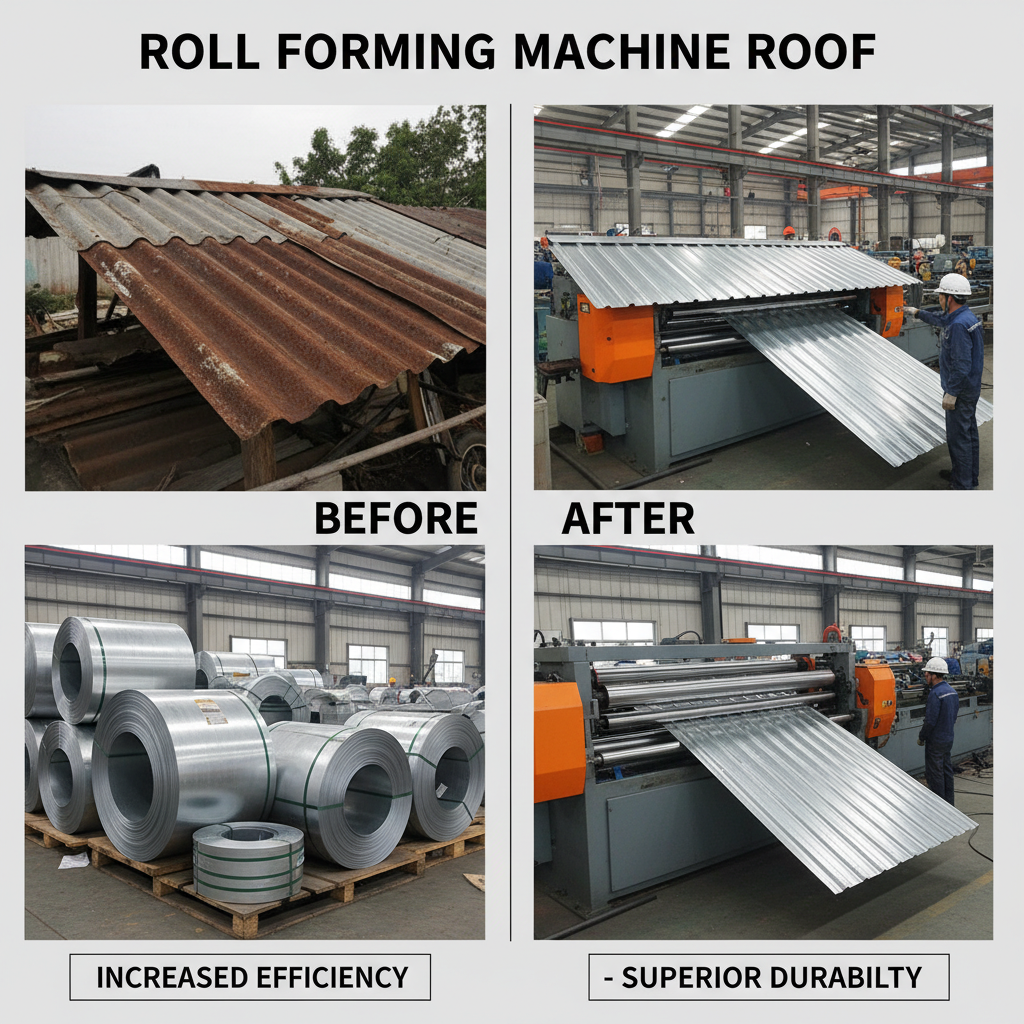
The Fundamentals of roll forming machine roof
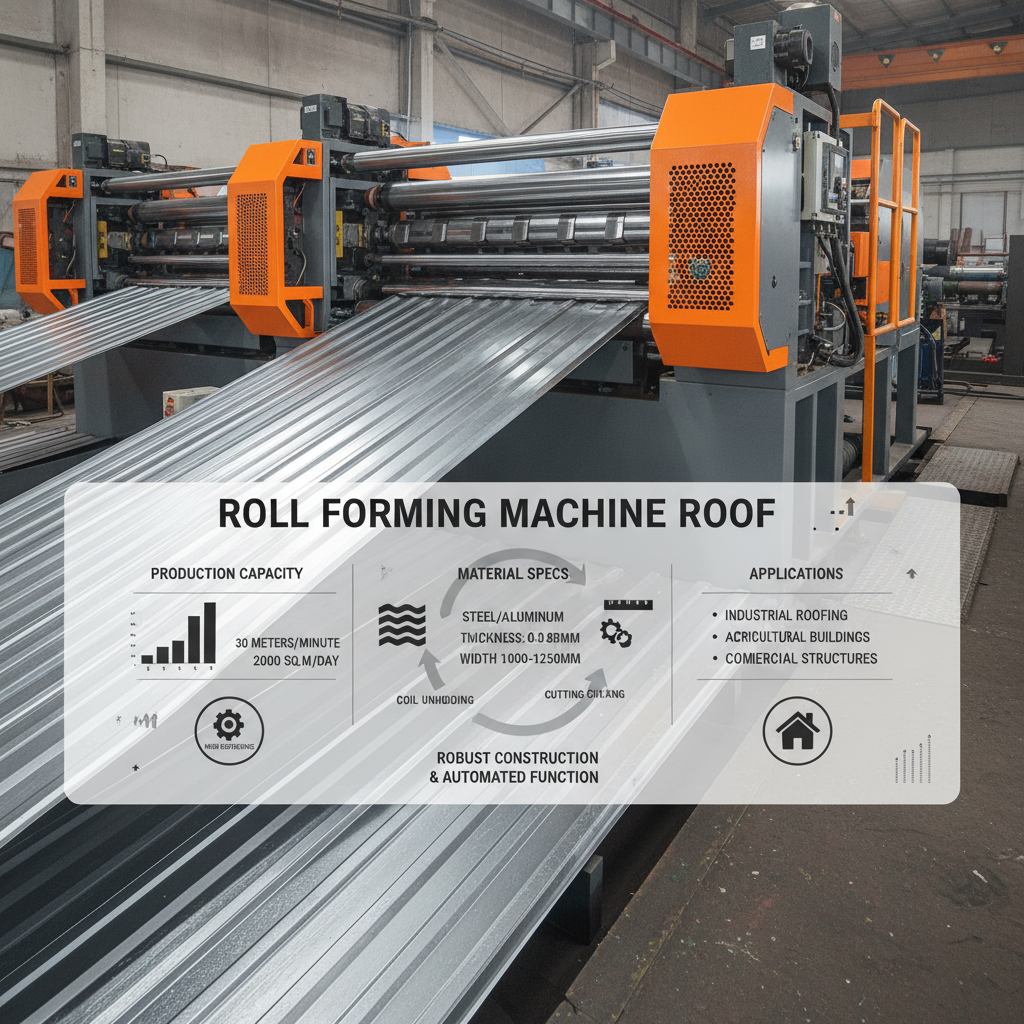
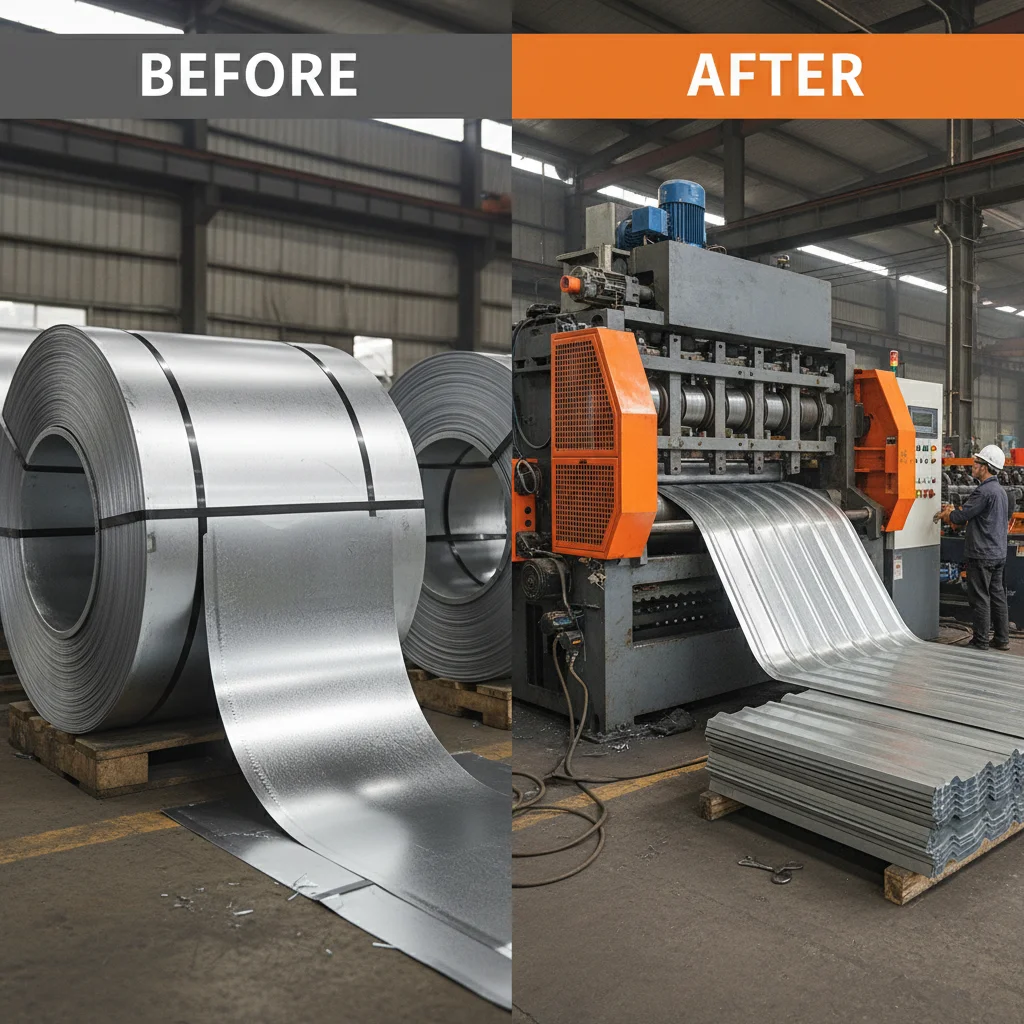
At its core, a roll forming machine roof system allows you to create roofing panels directly on the job site. Instead of relying on pre-fabricated panels shipped in, you feed raw material – typically steel or aluminum – into the machine, and it continuously bends and shapes it into the desired profile. This reduces waste, speeds up installation, and provides greater control over panel length and customization.
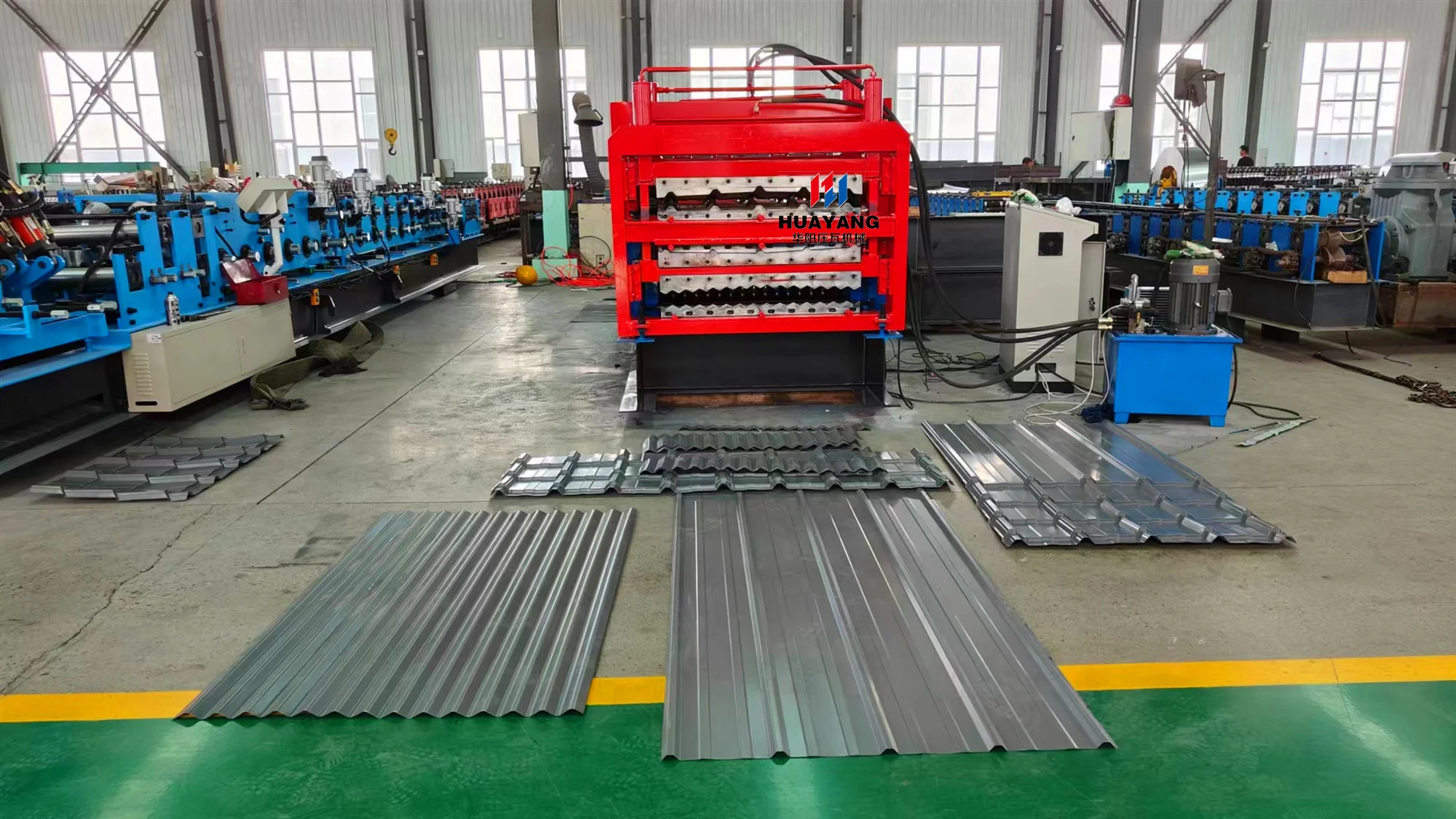
From a practical standpoint, I’ve seen these machines handle everything from basic corrugated roofing to complex trapezoidal profiles. The ability to change dies means you can adapt to different project requirements without having to order entirely new panels. It’s a level of flexibility that's invaluable, especially on projects with unusual geometries or tight deadlines.
Global Significance and Industry Impact
The demand for efficient and cost-effective roofing solutions is global. Whether you’re building in North America, Europe, or developing nations, the need for shelter is universal. According to the UN, affordable housing remains a critical challenge worldwide, and efficient construction techniques are key to addressing this. Roll forming machine roof systems are playing a growing role in meeting that demand.
The construction industry is a massive contributor to global waste. Traditional roofing methods often result in significant material scraps. Roll forming minimizes this waste by producing panels only as needed. This aligns with increasing global sustainability initiatives and ISO standards for responsible construction practices.
I've seen these machines deployed in remote areas where transporting pre-fabricated materials is a logistical nightmare. Being able to produce the roofing on site cuts down on transportation costs, reduces the risk of damage during transit, and speeds up the overall project timeline. It’s a game-changer in challenging environments.
Defining roll forming machine roof: A Practical Approach
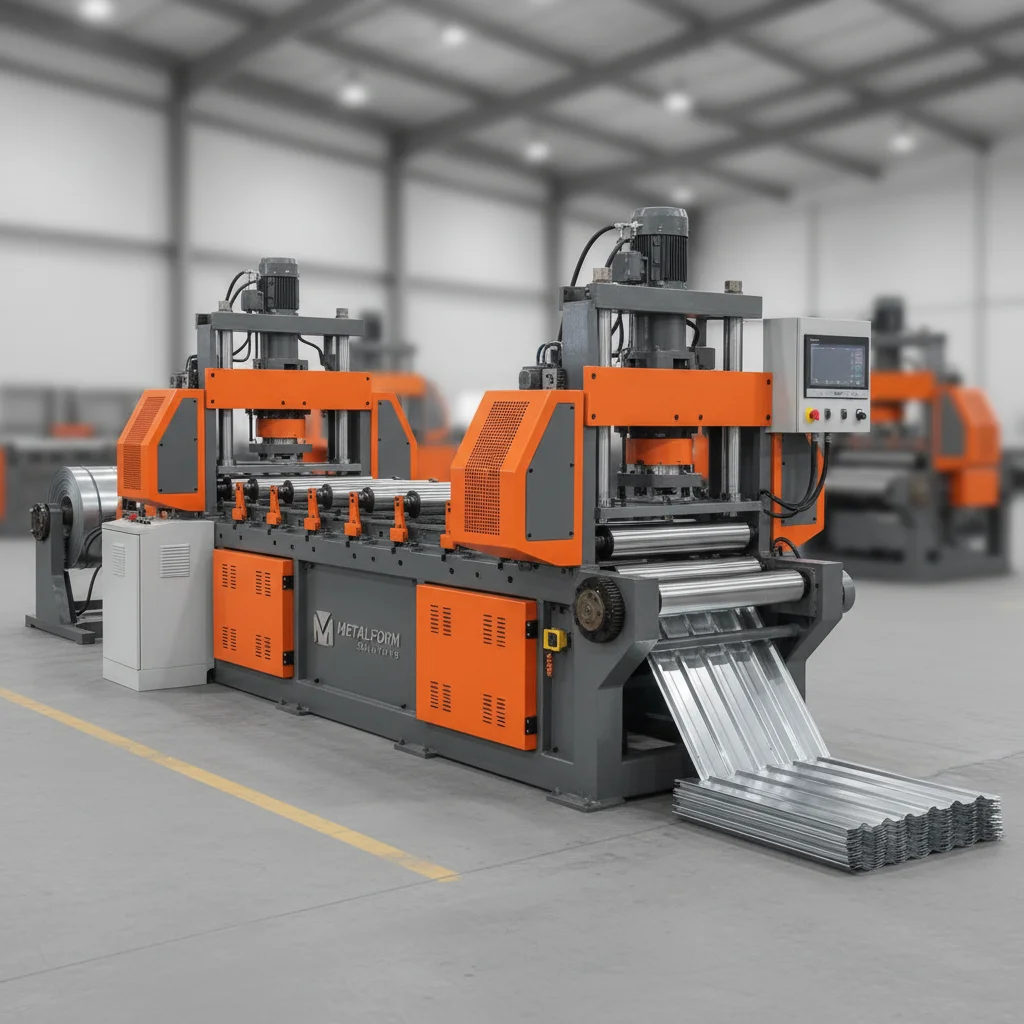
Simply put, a roll forming machine roof isn’t just the machine itself; it's a complete system. It includes the roll forming machine, a decoiler to hold the raw material, a cutting station to create panels of the desired length, and often, a control system to automate the process. It’s designed to be mobile and self-contained, capable of operating on almost any construction site.
The connection to modern industry is clear. It’s a prime example of lean manufacturing principles applied to construction. By bringing the fabrication process to the building site, you eliminate a lot of the inefficiencies associated with traditional methods. This impacts not just cost, but also quality control and project management.
From a humanitarian perspective, these systems can be invaluable in disaster relief efforts. The ability to quickly and efficiently produce roofing materials on-site can provide immediate shelter for displaced populations. It’s about more than just building structures; it’s about restoring dignity and providing a sense of security.
Key Advantages of roll forming machine roof in Construction
The biggest advantage, hands down, is speed. You’re eliminating lead times associated with ordering and shipping pre-fabricated panels. A roll forming machine roof can produce enough material to roof a significant portion of a building in a single day. That’s a huge benefit on fast-track projects.
Durability is also crucial. The materials used – typically galvanized steel or aluminum – are highly resistant to corrosion and weathering. And because the panels are formed on site, you can ensure a tight, secure fit, minimizing the risk of leaks and structural damage.
Cost Comparison: roll forming machine roof vs. Traditional Methods
Real-World Applications and Case Studies
I’ve personally overseen the use of these machines on everything from large-scale agricultural warehouses to residential developments. In post-disaster relief operations in coastal areas, they were instrumental in quickly providing temporary shelters. The ability to produce roofing on site, using locally sourced materials whenever possible, was a lifeline for communities in need.
In remote industrial zones, where access to traditional building materials is limited, roll forming machine roof solutions have allowed projects to proceed without significant delays. I've seen them used in mining camps, oil field facilities, and even remote research stations. The self-sufficiency is a huge advantage in these situations.
Long-Term Benefits and Value Proposition
The cost savings are substantial, not just in terms of materials and labor, but also in reduced maintenance and repair costs down the line. A well-installed roll forming machine roof is built to last, withstanding harsh weather conditions and minimizing the need for frequent replacements.
From a sustainability standpoint, reducing waste and utilizing recyclable materials is a significant benefit. It aligns with the growing demand for environmentally responsible construction practices. And let’s not underestimate the peace of mind that comes with knowing you’ve built a solid, durable roof that will protect your investment for years to come.
Beyond the tangible benefits, there's a level of control and customization that you simply don't get with pre-fabricated panels. You can tailor the roofing to the specific needs of the project, ensuring a perfect fit and optimal performance. It’s about building with confidence, knowing you’ve made the right choice.
Future Trends and Innovations in roll forming machine roof
We're seeing advancements in automation, with more sophisticated control systems that allow for greater precision and efficiency. The integration of digital design tools is also streamlining the process, allowing architects and engineers to create complex roofing profiles with ease.
There’s also a growing focus on using sustainable materials, such as recycled steel and bio-based coatings. And the development of portable, solar-powered roll forming machines is opening up new possibilities for off-grid construction. The ability to produce roofing materials using renewable energy sources is a significant step forward.
I anticipate we'll see even more integration with Building Information Modeling (BIM) software, allowing for seamless collaboration between designers, engineers, and construction crews. The future of roofing is about smarter, more efficient, and more sustainable construction practices.
Analysis of Factors Influencing roll forming machine roof Adoption
| Project Scale |
Geographical Location |
Labor Availability |
Cost Competitiveness |
| Small-Scale Residential |
Urban Areas |
High Labor Costs |
Moderate |
| Medium-Scale Commercial |
Suburban Areas |
Average Labor Costs |
High |
| Large-Scale Industrial |
Remote Locations |
Low Labor Costs |
Very High |
| Disaster Relief |
Affected Regions |
Emergency Response |
Critical |
| Agricultural Buildings |
Rural Areas |
Seasonal Workforce |
Moderate to High |
| Government Infrastructure |
Nationwide |
Unionized Labor |
Competitive |
FAQS
Regular lubrication of the roll forming machine's components is key. Inspect the dies for wear and tear, and replace them as needed. Keep the decoiler and cutting station clean and free of debris. Finally, ensure the control system is properly calibrated. Neglecting these basics can lead to costly downtime and reduced efficiency. It’s not complex, but consistency is crucial.
The initial investment in a roll forming machine is higher, but the long-term cost savings are significant. You eliminate the cost of shipping, reduce material waste, and gain greater control over production. For larger projects or ongoing roofing needs, a machine typically pays for itself within a year or two. Consider transportation, waste disposal, and potential delays when comparing costs.
Most commonly, galvanized steel and aluminum are used, as they offer excellent durability and corrosion resistance. However, you can also roll form other materials like galvalume and even some composite materials, depending on the machine's capabilities and die sets. Consider the project’s environmental conditions and required lifespan when selecting materials.
While not overly complex, proper training is essential. Operators need to understand the machine's controls, safety procedures, and basic maintenance tasks. Most manufacturers offer comprehensive training programs. It’s also helpful to have someone on staff who can troubleshoot minor issues and perform routine maintenance. Don't skimp on this!
Absolutely. That's one of the biggest advantages. By simply changing the dies, you can create a wide variety of roofing profiles to meet specific architectural requirements. This flexibility is invaluable for projects that demand unique designs or non-standard roofing solutions. Don't be afraid to get creative.
Safety is paramount. Always follow the manufacturer's safety guidelines. Ensure the machine is properly grounded. Use appropriate personal protective equipment (PPE), such as safety glasses and gloves. Never reach into the machine while it's in operation. Regular safety inspections are critical to prevent accidents.
Conclusion
In the end, a roll forming machine roof system is more than just a roofing solution; it’s a strategic investment. It’s about increasing efficiency, reducing costs, and gaining greater control over your projects. It’s a proven technology that’s constantly evolving, offering new opportunities for innovation and sustainability. From speed of construction to material waste reduction, the benefits are clear.
If you’re serious about improving your roofing operations, I urge you to explore the possibilities. Don’t just settle for the status quo. Look at how a roll forming machine can transform your projects, streamline your workflow, and ultimately, improve your bottom line. Visit our website at www.hyrollformingmachine.com to learn more and discuss your specific needs.